What Is Meth?
Methamphetamine, or meth, is a stimulant drug that speeds up your body’s central nervous system. It boosts dopamine, which is a brain chemical that plays a part in movement and motivation. Dopamine also sends a signal that tells you to repeat behaviors that make you feel good.
Common slang terms for meth include:
- Speed
- Crystal
- Crank
- Chalk
- Uppers
You may also hear meth called:
- Tweak
- Go-fast
- Ice
- Glass
- Tina
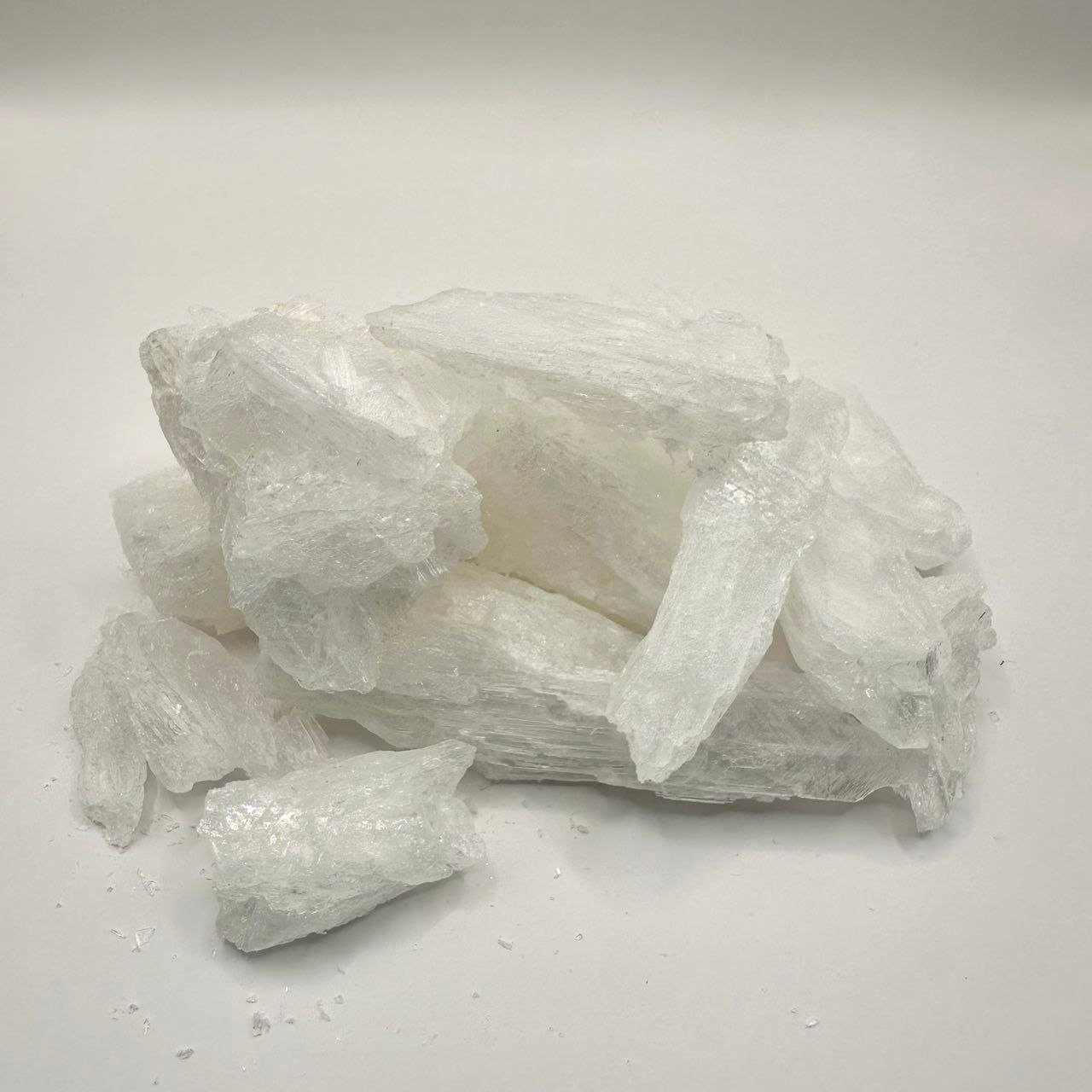
Meth is typically a white pill or powder that doesn’t have a smell but tastes bitter. Crystal methamphetamine usually looks like glass chunks or shiny bluish-white rocks. If crystal meth comes as more of a powder, it’ll have a bitter taste like other kinds of meth.
What is crystal meth?
Crystal meth is the common name for crystal methamphetamine, a strong and highly addictive drug that affects the central nervous system. There is no legal use for it.
Also called “ice” or “glass,” it’s a popular party drug. Usually, people who use crystal meth smoke it with a small glass pipe, but they may also swallow it, snort it, or inject it into a vein. People say they have a quick rush of euphoria shortly after using crystal meth, but it’s dangerous. It can damage your body and cause severe psychological problems.
Where Does It Come From?
Methamphetamine is a man-made stimulant that’s been around for a long time. During World War II, soldiers took meth to stay awake. People have also taken the drug to lose weight, ease depression, and manage attention deficit hyperactivity disorder (ADHD). Today, the only legal meth product is a prescription pill. Rarely, it’s used to treat obesity and ADHD.
Meth contains chemicals that are similar to amphetamine, a drug used to treat ADHD and narcolepsy. Find out the differences between Adderall and methamphetamines, as well as amphetamines vs. methamphetamines.
Crystal meth is often made with a common cold medicine ingredient called pseudoephedrine, which helps ease congestion. Because it’s used to make meth, the federal government closely regulates products with pseudoephedrine.
Illegal methamphetamine may also contain chemicals found in household products such as batteries, drain cleaner, fertilizer, nail polish remover, or paint thinner.
Most of the crystal meth and other meth products used in this country are made by transactional criminal organizations (TCOs)in Mexico. In addition to these Mexican “superlabs,” there are many small home labs in the U. S. Making meth is a dangerous process because of the chemicals involved. Along with being toxic, they can cause explosions.
How Common Is Meth Use?
Almost 2.5 million people in the U.S. aged 12 or older say they use meth every year. That’s almost 1% of the population. In general, people use it a little less often than other stimulants such as cocaine. But certain groups are more likely to use meth.
Disparities in meth use
In the past, middle-aged white people used this cheap drug most often. But over the past decade, rates have gone up among Black people and younger folks aged 18-23.
People who commonly use meth in a risky way often face socioeconomic disadvantages, such as:
- Less education
- Low household income
- Less access to health insurance
- Unstable housing
- A history with the criminal justice system
You may be more likely to use meth in unsafe ways if you have:
- HIV/AIDS
- Hepatitis
- Other sexually transmitted infections
- Depression
- Another substance use problem
Meth Legality
Methamphetamine hydrochloride (Desoxyn) is the only legal methamphetamine in the U.S. It’s a pill approved to treat ADHD, but doctors don’t prescribe it very often. Crystal meth and all other meth products are illegal.
How long does meth stay in your system?
Your body doesn’t break down meth as fast as some other stimulant drugs, such as cocaine. You may feel the effects for 8-24 hours. But it may stay in your urine or blood for around 72 hours and in your hair for up to 90 days.
How long meth makes you high or stays in your system depends on several things, such as:
- How much you take
- What time of day you take it
- How you put it in your body (by mouth or through a vein in your arm)
- How healthy your kidneys and liver are
- Your metabolism
How Do People Use Meth?
There are different ways to get meth into your body. Some people swallow it in a pill form or smoke it by heating up crystals in a glass bowl or pipe and breathing in the vapors.
Here’s a breakdown of some slang terms used to describe other ways people use crystal meth:
- Slamming. You use a needle to inject the drug right into your veins.
- Booty bumping. You dissolve crystal meth in water and shoot the mixture into your anus with a syringe. Some people place a crystal meth rock or meth-covered finger into their rectum.
- Snorting. You chop up a crystal or crush it into a powder before sniffing it.
- Hot railing. You heat up a glass stem until it’s very hot and place that over a meth rock or powder. Then you breathe in the vapors through your nostril.
Meth Effects
Drugs affect people in different ways. The way meth makes you feel depends on several things, including:
- Your age and body size
- How much you take
- The way you get it into your body
- The people around you or the place where you take it
- If you have other physical or mental health conditions
- Whether you have alcohol, medicine, or other drugs in your body
How long does it take meth to kick in?
You’ll usually feel a “rush” pretty quickly. But how fast meth kicks in depends on the method you use:
- Injecting or smoking: Within seconds
- Snorting: 3-5 minutes
- Swallowing: 15-20 minutes
Meth dosage
Unless you use an approved methamphetamine medication under the direction of a doctor, there’s no recommended dose for meth. The least risky (and slowest) way to use meth is to swallow it. Your odds of harmful effects go up if you put meth into your vein with a needle. But you can lessen the chances of harmful effects if you use smaller amounts of meth no matter what method you choose.
Here are some typical ranges for doses:
- Light dose: 5-10 mg
- Common dose: 10-30 mg
- Strong dose: 30-40 mg
Meth short-term effects
You may feel a high similar to other stimulants, such as cocaine. Even with small amounts of meth, you may:
- Feel more alert and confident
- Have more energy
- Talk and move more
- Sleep and eat less
You may get physical symptoms. Some may be uncomfortable, such as:
- Fast breathing
- Racing heart
- Chest pain
- Dry mouth
- Muscle tension
- Increase in body temperature
How long does the high last?
In general, you may feel the effects of meth for around 2-6 hours if you smoke it or 6-8 hours if you inject it. The high may linger a little longer if you snort or swallow the drug, lasting up to 12 hours or longer. The duration may differ for you depending on how often you use meth.
Meth comedown
After the high wears off, you may start to feel bad physically and emotionally. These negative feelings may equal the intensity of your high but in the opposite way. You may seek out more meth to make these feelings go away.
The “meth comedown” may include physical symptoms such as:
- Fatigue
- Headache
- Hunger
- Muscle aches
- Shakiness
You may have psychological symptoms such as:
- Depression
- Anxiety
- Paranoia
- Sadness
- Hopelessness
Some people who use meth see or hear things that aren’t there. You may experience something called psychosis. This can cause you to think scary things that aren’t true. The odds of this happening to you are higher if you go on a multiday meth binge without sleeping.
Meth long-term effects
It depends on how often you use meth and your method of choice, but you could develop physical and emotional symptoms, including addiction, that negatively impact your life in big and little ways.
Long-term effects of regular meth use may include:
- Serious weight loss because you don’t eat
- Constant drug-seeking
- Teeth problems
- Skin that itches so bad your scratching causes sores
- A feeling like you have bugs crawling under your skin
- Anxiety, depression, or other mood changes
- Confusion or trouble focusing
- Memory loss
If you use meth often, you may also:
- Use poor judgment and do risky things
- Only feel good when they take drugs
- Become aggressive and violent
- Have extreme paranoia
- See or feel things that aren’t real
If you use meth on a regular basis, it can change your brain’s dopamine system. This can affect how you move and think. For example, you may have problems with coordination or learning. Your chances of getting Parkinson’s disease (a movement disorder) may go up.
Some of the negative effects of meth use, including hallucinations or movement issues, may go away in the weeks or months after you stop using the drug. But some changes may take years or longer to resolve or never get better.
Secondhand meth smoke effects
There’s ongoing research into the health effects of secondhand meth smoke. You may or may not get high around someone who uses meth. Still, you may test positive for the drug if you’re around the smoke.




Reviews
There are no reviews yet.